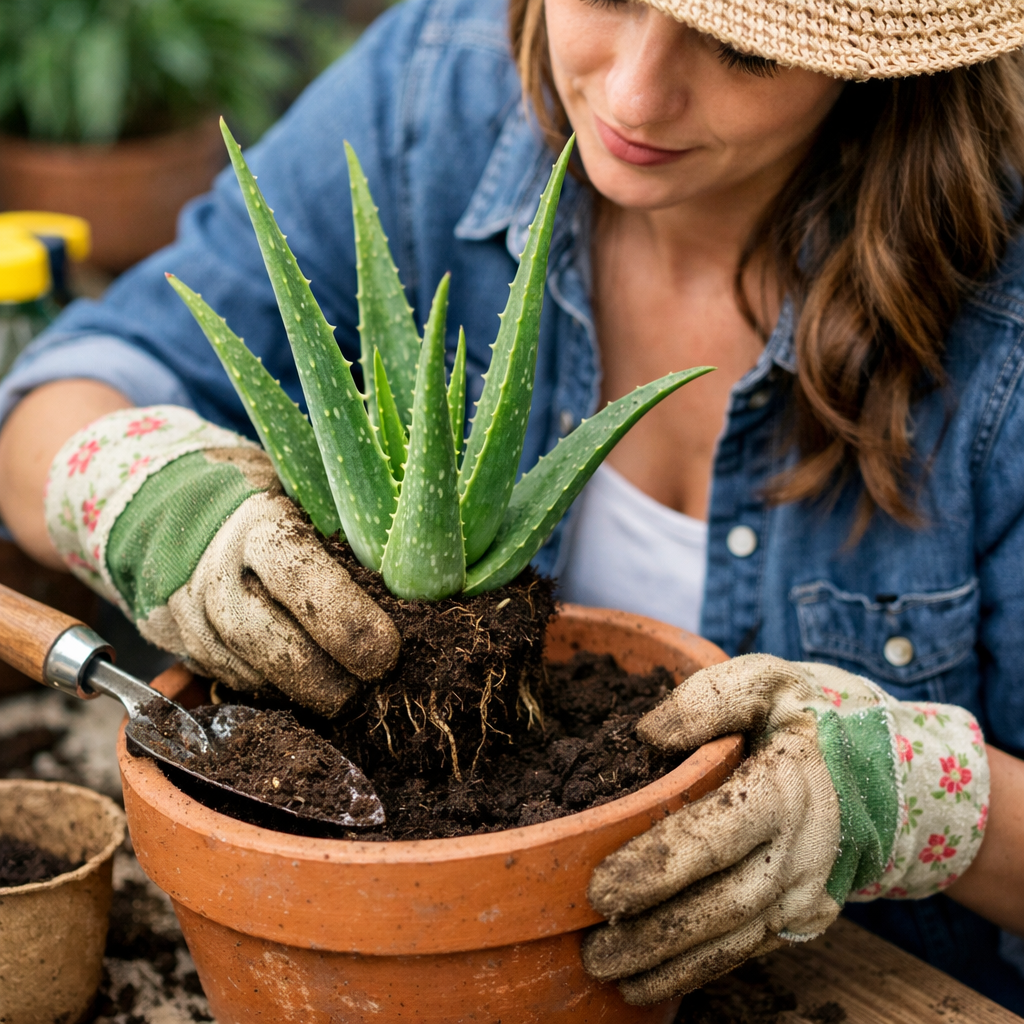
Aloe vera
Aloe vera
Más nevek: True aloe, medicinal aloe
Aloe vera is a perennial, evergreen succulent plant known for its fleshy, spiny leaves. It is widely used for medicinal and cosmetic purposes, especially for the gel extracted from its leaves.
Basic info
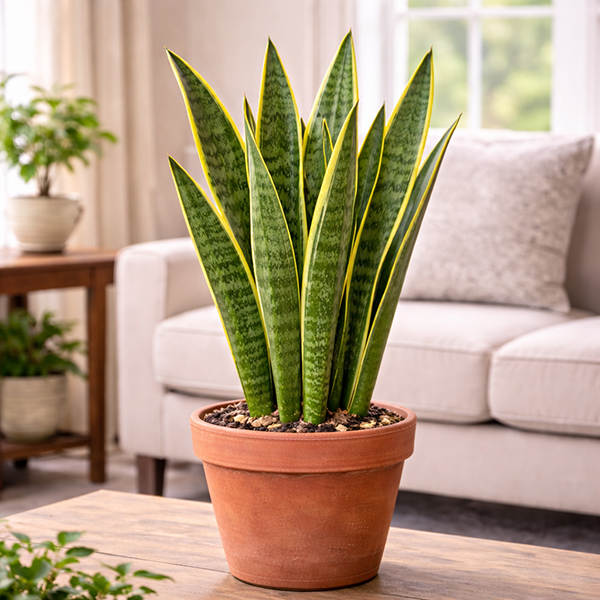
Aloe vera is a succulent plant native to the Arabian Peninsula and North Africa, thriving in warm, dry climates. It grows in rosettes of thick, fleshy leaves edged with small spines. The leaves contain a clear gel known for its anti-inflammatory and healing properties, making it popular in skincare and medicine.
The plant produces yellow or orange flowers in spring. Aloe vera is drought-tolerant and requires minimal watering, making it ideal as a houseplant or balcony plant. It prefers well-draining, sandy or gravelly soil and does not tolerate waterlogged conditions.
Indoors, it thrives in bright but indirect sunlight and is sensitive to frost, requiring protection during cold weather. Propagation is easy through offsets or leaf cuttings, best done in spring or summer.
Size & appearance
Environment needs
Care
Caring for Aloe vera is straightforward: it needs a bright, sunny location but should be protected from intense direct sunlight. Water moderately, allowing the soil to dry out between waterings, especially in winter. Use well-draining soil with sandy or gravelly texture. Fertilize monthly during spring and summer with a mild cactus fertilizer. Remove damaged or dried leaves periodically to maintain plant health.
Propagation
Aloe vera is most commonly propagated by separating offsets from the mother plant and potting them individually. Leaf cuttings can also be used but are slower and less reliable. Propagation is best done in spring or summer when the plant is actively growing.
Diseases & pests
Aloe vera is generally disease-resistant but can suffer root rot if overwatered. Occasionally, pests like aphids or mites may attack. Proper ventilation and dry soil conditions help prevent diseases.
Ehhez a növényhez még nincs betegség/kártevő információ rögzítve.
Safety
While the gel inside Aloe vera leaves is medicinal, the outer parts, especially the yellow latex beneath the leaf skin, can be toxic and may irritate skin or mucous membranes. It is not recommended for ingestion by young children or pets.
Ecology
Aloe vera flowers attract bees and other pollinating insects, playing a role in local ecosystems. Its drought tolerance makes it suitable for dry, Mediterranean-style gardens with minimal water requirements.
Usage
The gel from Aloe vera leaves is widely used in skincare products and for treating burns and minor wounds. It also has medicinal uses, such as aiding digestion. It is popular as an ornamental plant, especially indoors and on balconies.
Related Plants
Related Articles