Azalea
Rhododendron spp.
Más nevek: Rhododendron, Japanese Azalea
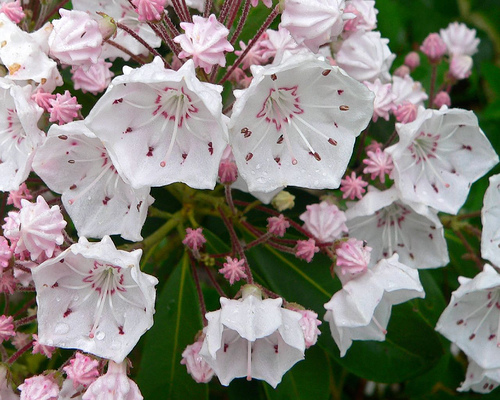
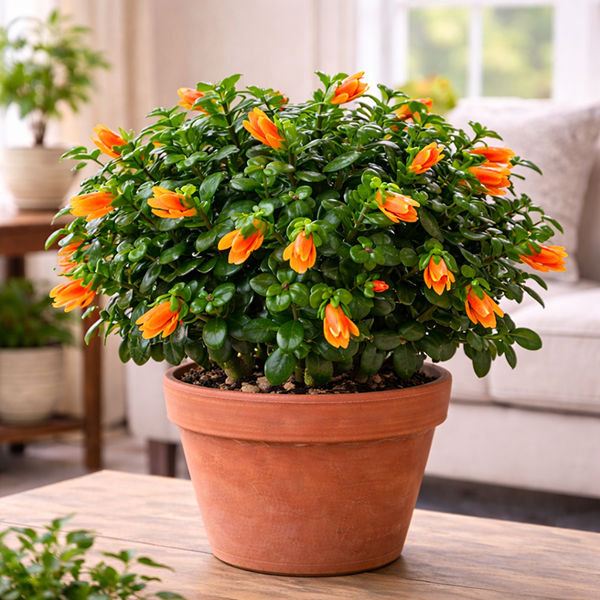
Azalea is a medium-sized, semi-evergreen shrub known for its beautiful, colorful flowers. It is especially popular in gardens and parks for its spectacular spring bloom.
Basic info
Azalea belongs to the Rhododendron genus and includes hundreds of species. These plants typically grow between 50 and 300 cm tall, forming dense, bushy shapes. Their leaves are semi-evergreen, meaning some remain through winter, providing year-round decoration.
The flowers come in a variety of colors, ranging from white to pink, red, and purple. Blooming occurs from April to June. Azaleas prefer partial shade and acidic, well-drained soils. They do not tolerate waterlogging or drought, requiring careful watering.
Care for azaleas requires moderate attention, especially maintaining soil acidity and proper watering. Pruning is best done after flowering to maintain shape and health. Winter protection is necessary in colder, windy areas, especially for young plants.
Size & appearance
Environment needs
Care
Azaleas require acidic soil, which can be improved with peat or pine bark. They need regular but moderate watering, especially during summer. Avoid overwatering and waterlogging to prevent root rot. Pruning after flowering helps maintain shape and encourages new growth.
In winter, mulch roots to protect from frost and cover plants in cold, windy weather. Fertilize in spring and after flowering with acid-loving plant fertilizer.
Propagation
Azaleas are most commonly propagated by cuttings taken in summer. Semi-hardwood cuttings rooted with hormone treatment root easily. They can also be propagated by seed, although this is slower and more difficult. Grafting is used for some cultivated varieties.
Diseases & pests
Azaleas can be susceptible to fungal diseases such as powdery mildew and root rot. Overwatering and poor drainage promote disease development. Pests like aphids and mites can also be problematic, requiring regular monitoring and treatment if necessary.
Ehhez a növényhez még nincs betegség/kártevő információ rögzítve.
Safety
All parts of the azalea are toxic to humans and pets. Ingestion can cause vomiting, diarrhea, and other poisoning symptoms. Care should be taken when planting around children and animals.
Ecology
Azalea flowers attract bees and other pollinating insects, playing an important role in local ecosystems. They are not considered invasive and do not threaten native vegetation.
Usage
Azaleas are primarily ornamental shrubs used in gardens, parks, and green spaces. They are suitable for hedges or as specimen plants. Their colorful flowers provide a striking display during the blooming season.