Begonia
Begonia
Más nevek: begonia, wax begonia, angel wing begonia
Begonias are perennial, semi-evergreen plants known for their diverse leaf shapes and vibrant flowers. They prefer partial shade and moderate watering, making them popular for indoor and outdoor decoration.
Basic info
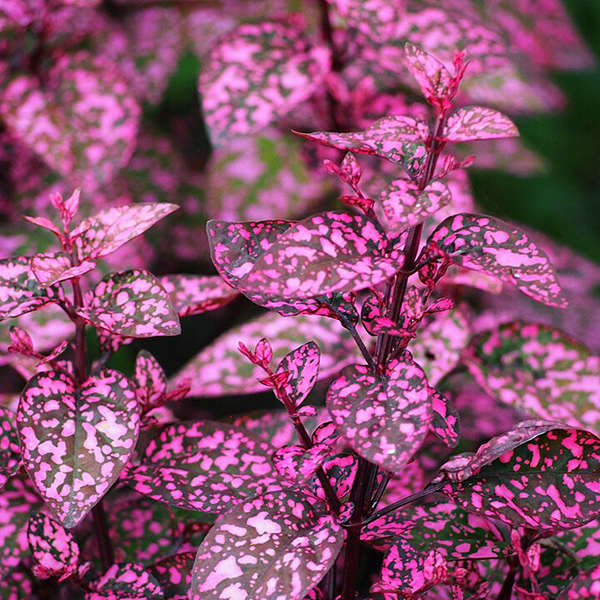
Begonia is a genus in the Begoniaceae family comprising hundreds of species native to tropical and subtropical regions of America, Africa, and Asia. These plants exhibit a wide variety of leaf shapes and colors, ranging from green to deep red, often with intricate patterns.
The flowers are small but brightly colored, appearing in shades of pink, red, white, or orange, blooming from spring through autumn. Begonias are semi-evergreen and can retain foliage in mild winters but are sensitive to frost and require protection in colder climates.
They have a moderate care level, needing regular watering and feeding. They thrive best in partial shade where they are protected from direct harsh sunlight. Begonias are popular as both houseplants and garden plants, especially on balconies and patios where their colorful appearance is appreciated.
Size & appearance
Environment needs
Care
Begonias require consistent but moderate watering to avoid root rot caused by waterlogging. They prefer partial shade to prevent leaf scorch from direct sunlight. Fertilize every two weeks during the growing season with a balanced liquid fertilizer. In winter, reduce watering and keep them in a bright, frost-free location.
Propagation
Propagation is commonly done by stem cuttings, leaf cuttings, or seeds. Cuttings root best when taken in spring or early summer and kept in warm, humid conditions to encourage rooting.
Diseases & pests
Common diseases include fungal infections like powdery mildew and root rot, often caused by overwatering and poor air circulation. Pests such as aphids and spider mites can also affect begonias. Proper care and ventilation help prevent these issues.
Ehhez a növényhez még nincs betegség/kártevő információ rögzítve.
Safety
Begonias are toxic to humans and pets if ingested and may cause mild skin irritation upon contact with the sap. Handle with care around children and animals.
Ecology
Begonia flowers attract pollinators such as hoverflies and other insects, contributing to local biodiversity. They are not invasive and pose no threat to native ecosystems.
Usage
Primarily grown as ornamental plants, begonias are valued for their colorful foliage and flowers. They are widely used indoors, on balconies, and in garden beds for decorative purposes. They are not edible and are grown solely for aesthetic appeal.