Gasteria
Gasteria
Más nevek: Ox Tongue, Lawyer's Tongue
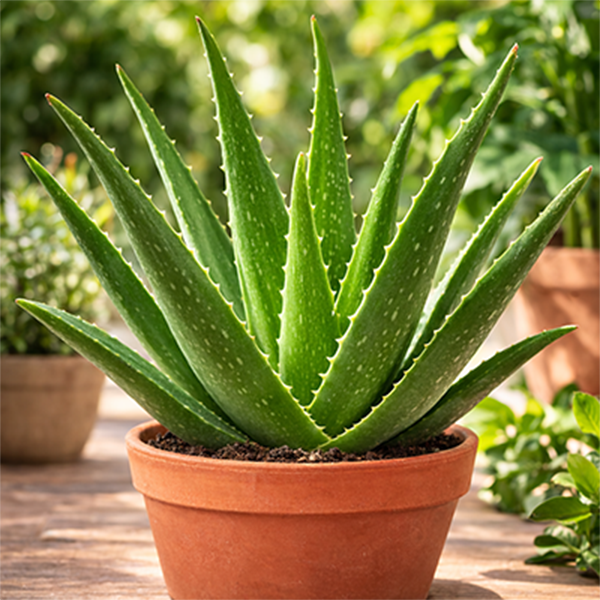
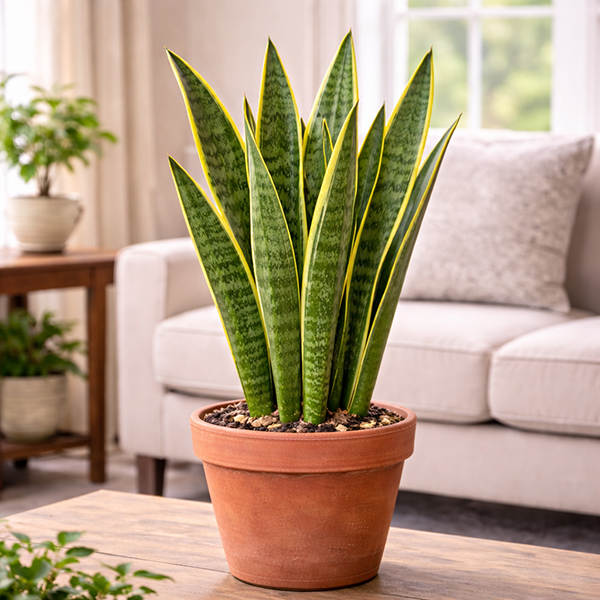
Gasteria is a small succulent plant native to South Africa, known for its thick, fleshy leaves often marked with spots or stripes. It grows slowly and forms rosettes, making it a popular ornamental houseplant.
Basic info
The genus Gasteria comprises succulent plants native to South Africa, characterized by their thick, fleshy leaves adapted to store water in arid environments. These plants grow slowly and typically form rosettes of dark green leaves, often adorned with white spots or stripes, giving them a unique appearance. Their flowers are usually pink or white and bloom from late summer to early autumn.
Gasteria prefers partial shade to avoid leaf burn from direct sunlight and thrives in well-draining sandy or gravelly soils to prevent root rot. During winter, it should be kept in a cool but frost-free environment with minimal watering.
Due to its low maintenance and drought tolerance, Gasteria is an excellent choice for beginner succulent enthusiasts and is commonly grown indoors on balconies or windowsills where space is limited.
Size & appearance
Environment needs
Care
Care for Gasteria involves providing well-draining soil and moderate watering, allowing the soil to dry out between waterings. Water once a week during summer and reduce watering significantly in winter. Place the plant in partial shade to protect leaves from direct sun damage. Fertilize monthly during spring and summer with a low-nutrient cactus fertilizer.
Propagation
Propagation is commonly done by division of offsets from the mother plant. Leaf cuttings can also be used but are slower and more difficult. Seed propagation is less common but possible under suitable conditions. The best time to propagate is spring to early summer.
Diseases & pests
Gasteria is generally disease-resistant but can suffer from root rot if overwatered. Pests like aphids and mites are rare but can be treated with natural insecticides. Good ventilation and avoiding excessive moisture help prevent problems.
Ehhez a növényhez még nincs betegség/kártevő információ rögzítve.
Safety
Gasteria is non-toxic to humans and pets, making it safe for households with children and animals. It typically does not cause allergic reactions.
Ecology
Its flowers attract bees and other pollinating insects, contributing to local biodiversity. In its native habitat, Gasteria plays a role in dryland vegetation by stabilizing soil and supporting microclimates.
Usage
Primarily grown as an ornamental plant, Gasteria is popular in succulent collections and suitable for indoor and outdoor cultivation on balconies and windowsills. It is not edible and has no known medicinal uses but is valued for its aesthetic appeal.