Rubber Plant
Ficus elastica
Más nevek: Rubber Tree, Indian Rubber Plant
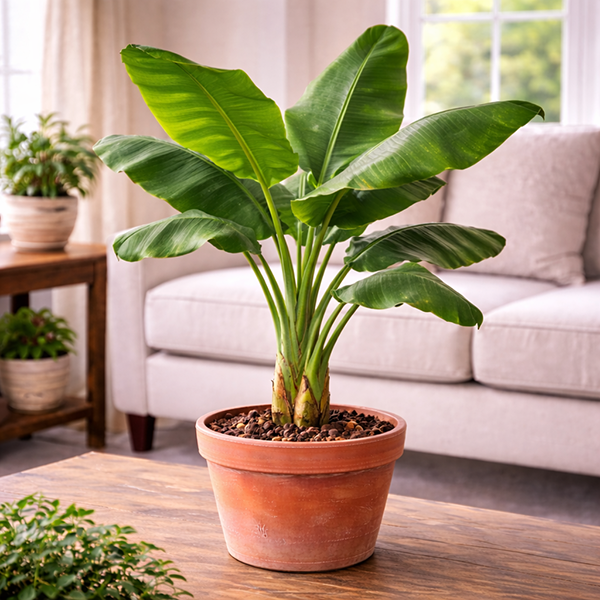
The rubber plant (Ficus elastica) is an evergreen tree commonly grown as a houseplant, known for its large, glossy leaves and milky sap.
Basic info
Ficus elastica, commonly known as the rubber plant, is a large evergreen tree native to South and Southeast Asia. It can grow up to 30 meters tall in its natural habitat, but when grown indoors, it usually remains much smaller. The plant has thick, leathery, shiny leaves that are dark green and sometimes variegated. It produces a milky latex sap that can be irritating to skin.
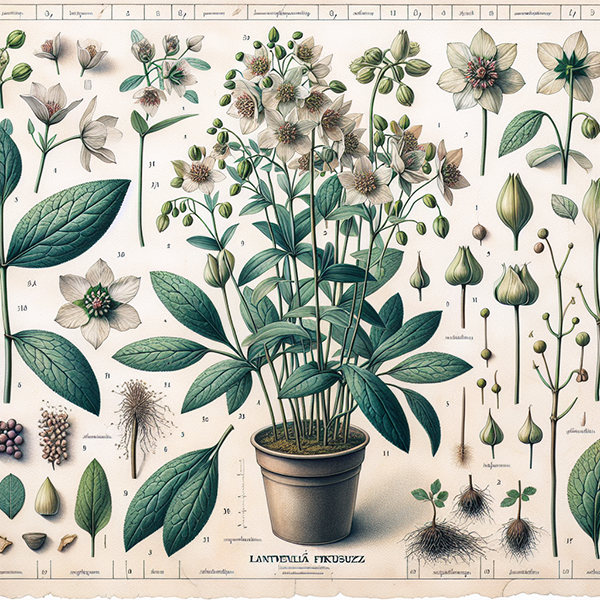
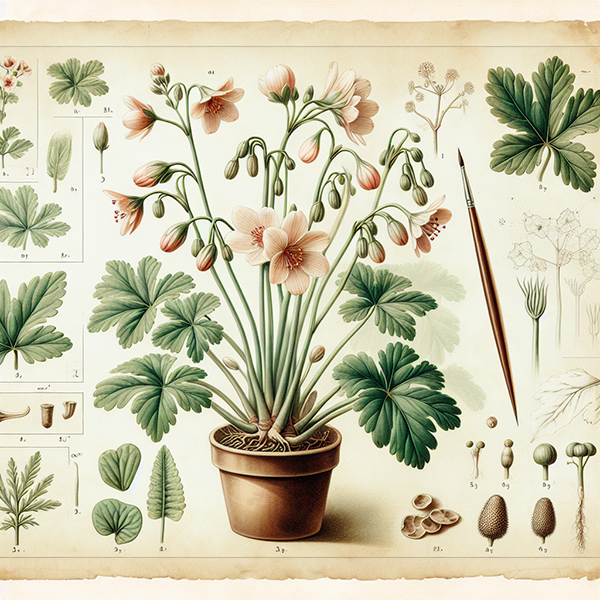
The rubber plant produces small, greenish-white flowers that are not particularly showy, followed by fig-like fruits. It thrives in bright, indirect light and prefers well-draining soil with moderate moisture. It is sensitive to frost and should be kept in warm environments.
Due to its attractive foliage and ease of care, the rubber plant is popular as an indoor ornamental plant worldwide. It can be propagated by stem cuttings and requires occasional pruning to maintain shape. Care should be taken as its sap is toxic if ingested and can cause skin irritation.
Size & appearance
Environment needs
Care
The rubber plant prefers bright, indirect light and moderate watering, allowing the topsoil to dry out between waterings. It benefits from regular feeding during the growing season and should be kept in a warm environment away from drafts. Pruning helps maintain its shape and remove any damaged leaves.
Propagation
Propagation is typically done by stem cuttings. Cut healthy shoots and root them in moist soil or water under warm and humid conditions. Spring and summer are the best seasons for propagation.
Diseases & pests
Common pests include scale insects, mealybugs, and spider mites. Overwatering can lead to root rot. Yellowing leaves may indicate improper watering or insufficient light.
Ehhez a növényhez még nincs betegség/kártevő információ rögzítve.
Safety
The sap of the rubber plant is toxic and can cause skin irritation. Ingestion is harmful to humans and pets, so it should be kept out of reach of children and animals.
Ecology
In its native habitat, the rubber plant plays a role in forest ecosystems by providing shade and food for certain birds and insects. However, as a houseplant, it does not significantly contribute to pollination or wildlife support.
Usage
The rubber plant is primarily used as an ornamental houseplant due to its attractive foliage and air-purifying qualities. It is also historically valued for its latex, although today it is mostly grown for decorative purposes.