Carolina Allspice
Calycanthus floridus
Más nevek: Sweetshrub, Carolina Sweetshrub
Calycanthus floridus is a medium-sized deciduous shrub known for its fragrant, dark reddish-brown flowers. It is popular as an ornamental plant and hedge.
Basic info
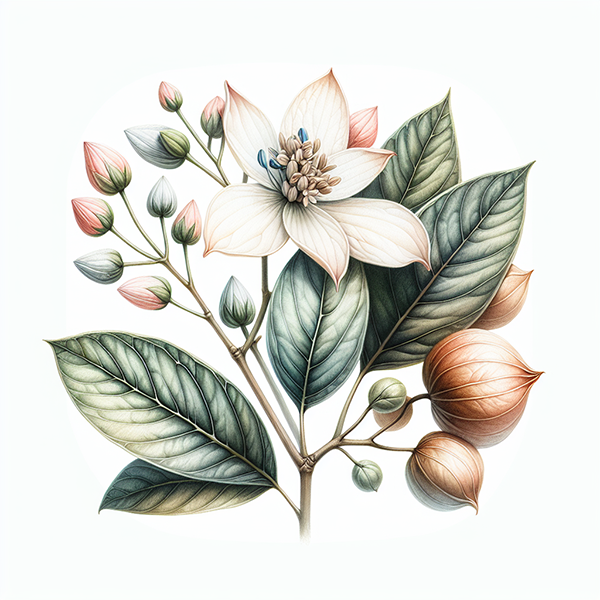
Calycanthus floridus, commonly called Carolina Allspice or Sweetshrub, is a deciduous shrub native to the southeastern United States. It typically grows 150-300 cm tall with a bushy, spreading habit. Its flowers are dark maroon to brownish-red and emit a spicy fragrance that attracts bees and butterflies. Blooming occurs from May to June, followed by small, dry brown fruits in late summer.
This shrub prefers partial shade and thrives in humus-rich, well-drained soils. It has moderate water needs and benefits from regular watering during dry periods. Generally hardy in winter, young plants may require protection from severe cold. Pruning after flowering helps maintain shape and encourages next year's blooms.
Propagation is possible by seed sowing in spring, summer cuttings, or division of root suckers. It is non-toxic to humans and pets, non-allergenic, and a valuable addition to ornamental gardens, fragrant hedges, and herb gardens.
Size & appearance
Environment needs
Care
Calycanthus floridus is easy to care for. It prefers partial shade and requires regular watering, especially during dry spells. Prune after flowering to maintain shape and promote flowering. Fertilize once a year in early spring with organic matter. Protect young plants in winter with mulch or frost cloth.
Propagation
Propagation can be done by seed sowing in spring, summer cuttings, or division of root suckers. Cuttings require moderate skill, seed sowing is slower but effective. Dividing root suckers is best done in spring or autumn.
Diseases & pests
Generally resistant, but may develop fungal diseases in overly wet conditions. Good air circulation and avoiding overwatering are important.
Ehhez a növényhez még nincs betegség/kártevő információ rögzítve.
Safety
The plant is non-toxic to humans, dogs, and cats, and is not allergenic.
Ecology
Its flowers attract bees and butterflies, supporting local pollinator populations.
Usage
Excellent ornamental shrub with fragrant flowers, suitable for hedges and herb gardens. Not edible but highly decorative and aromatic.