Kínai selyemmirtusz
Lagerstroemia indica
Más nevek: Selyemmirtusz
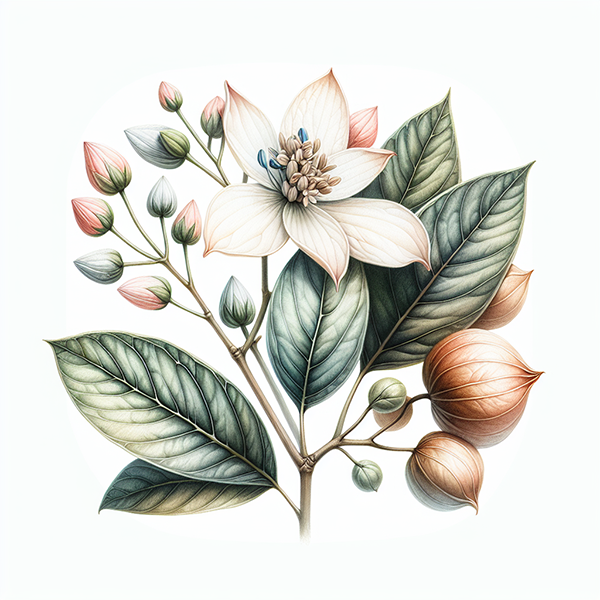
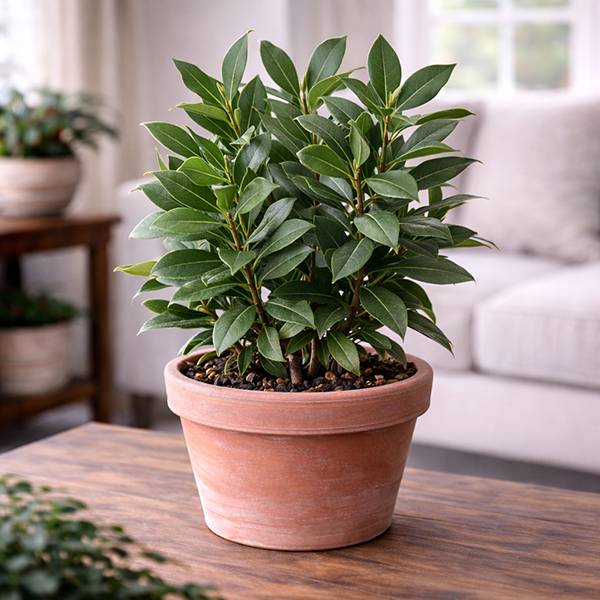
A Kínai selyemmirtusz (Lagerstroemia indica) egy lombhullató, évelő cserje vagy kis fa, amely nyáron mutatós, rózsaszín, lila vagy fehér virágokat hoz.
Alapadatok
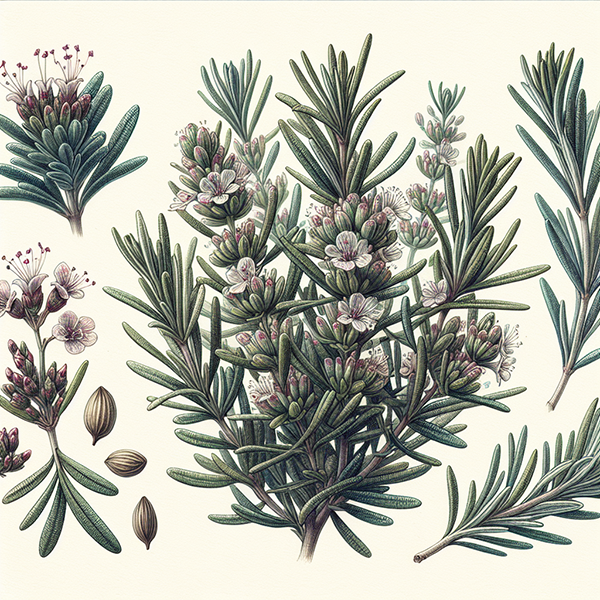
A Kínai selyemmirtusz (Lagerstroemia indica) Délkelet-Ázsiából származó lombhullató cserje vagy kis fa, amely 2-6 méter magasra nő. Gömbölyded koronája és sima, világos kérge van. Nyáron, júniustól szeptemberig hozza mutatós, fürtös virágait, amelyek színe rózsaszín, lila, fehér vagy piros lehet. Virágai vonzzák a méheket és más beporzó rovarokat. Ősszel apró, barna toktermései érnek be, amelyek szárazak és apró magokat tartalmaznak.
A növény kedveli a napos, meleg helyeket és a jó vízelvezetésű talajokat, enyhén savas vagy semleges kémhatással. Mérsékelten szárazságtűrő, de fiatal korban rendszeres öntözést igényel. Télen érzékeny a kemény fagyokra, ezért hidegebb éghajlaton takarást igényel. Metszése kora tavasszal vagy virágzás után ajánlott a formázás és a fiatal hajtások serkentése érdekében.
Gondozása közepes szintű, rendszeres trágyázást és öntözést igényel. Szaporítása magvetéssel vagy dugványozással történik, közepes nehézségű. Kertészeti és dísznövényként kedvelt, utcafásításra és sövénynek is alkalmas.
Méret és megjelenés
Környezeti igények
Gondozás
A Kínai selyemmirtusz napos, meleg helyet igényel, jó vízelvezetésű talajban fejlődik jól. Fiatal korban rendszeres öntözést igényel, különösen száraz időszakokban. Tavasszal és nyár elején kiegyensúlyozott műtrágyázás javasolt. Metszése kora tavasszal vagy virágzás után ajánlott a formázás és a virágzás serkentése érdekében. Télen hidegebb éghajlaton takarást igényel a fiatal növények védelmére.
Szaporítás
A szaporítás történhet magvetéssel tavasszal vagy dugványozással nyár elején. A dugványozás közepes nehézségű, a magvetés lassabb, de hatékony módszer. Oltással is szaporítható a kívánt fajták fenntartására.
Betegségek, kártevők
A Kínai selyemmirtusz érzékeny lehet lisztharmatra és levélfoltosságra. Megfelelő szellőzés és rendszeres metszés segít megelőzni a betegségeket. Kártevők közül levéltetvek és pajzstetvek fordulhatnak elő.
Ehhez a növényhez még nincs betegség/kártevő információ rögzítve.
Biztonság
A növény nem mérgező emberekre, kutyákra vagy macskákra, és nem allergén.
Ökológia
A virágai vonzzák a méheket és más beporzó rovarokat, így fontos szerepet játszik a helyi ökoszisztémában.
Felhasználás
Dísznövényként parkokban, kertekben és utcafásításra egyaránt használják. Sövénynek is alkalmas, és szép virágzata miatt kedvelt kertészeti növény.