Fiddle-leaf fig
Ficus lyrata
Más nevek: Ficus lyrata, fiddle-leaf fig tree
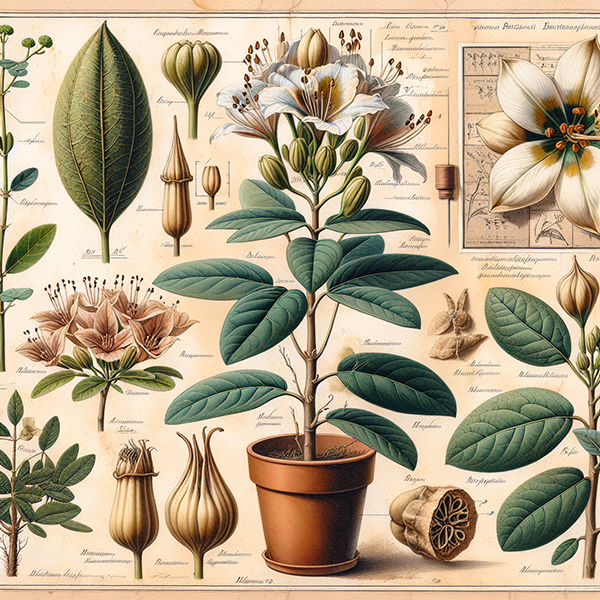
The fiddle-leaf fig (Ficus lyrata) is a popular indoor tree known for its large, violin-shaped leaves. It is an evergreen species native to West Africa.
Basic info
Ficus lyrata, commonly known as the fiddle-leaf fig, is a tall, evergreen tree native to the tropical forests of West Africa. It can reach heights of up to 20 feet indoors and even taller outdoors in its natural habitat. The plant is prized for its large, glossy, violin-shaped leaves that can grow up to 18 inches long, making it a striking ornamental tree.
Indoors, the fiddle-leaf fig prefers bright, indirect light and moderate watering. It grows at a moderate rate and requires well-draining soil rich in nutrients. While it produces small, greenish flowers and fig-like fruits in the wild, these are rarely seen in indoor cultivation.
This tree is sensitive to cold temperatures and drafts, so it should be kept in a warm, stable environment. Regular pruning helps maintain its shape and encourages bushier growth. The fiddle-leaf fig is a favorite among houseplant enthusiasts for its dramatic foliage and architectural form.
Size & appearance
Environment needs
Care
Caring for the fiddle-leaf fig involves providing bright, indirect sunlight and watering when the top inch of soil feels dry. Avoid overwatering, as the plant is susceptible to root rot. Fertilize monthly during the growing season with a balanced fertilizer. Keep the plant away from cold drafts and sudden temperature changes.
Propagation
Propagation is typically done through stem cuttings taken in spring or summer. Cuttings root well in water or moist soil. Seed propagation is less common due to the plant's slow seed production indoors.
Diseases & pests
The fiddle-leaf fig can be affected by pests such as spider mites, mealybugs, and scale insects. Overwatering can lead to root rot and fungal diseases. Proper care and monitoring help prevent these issues.
Ehhez a növényhez még nincs betegség/kártevő információ rögzítve.
Safety
The plant is toxic to humans, dogs, and cats if ingested. Its sap can cause skin irritation, so handle with care and keep out of reach of children and pets.
Ecology
In its native habitat, Ficus lyrata plays a role in forest ecosystems, providing food and shelter for various animals. It is not invasive and poses no ecological threat when grown indoors.
Usage
The fiddle-leaf fig is primarily used as an ornamental houseplant due to its striking foliage. It is not edible and has no known medicinal uses. It adds architectural interest to interior spaces.