bird’s nest fern
Asplenium nidus
Más nevek: Asplenium nidus, nest fern
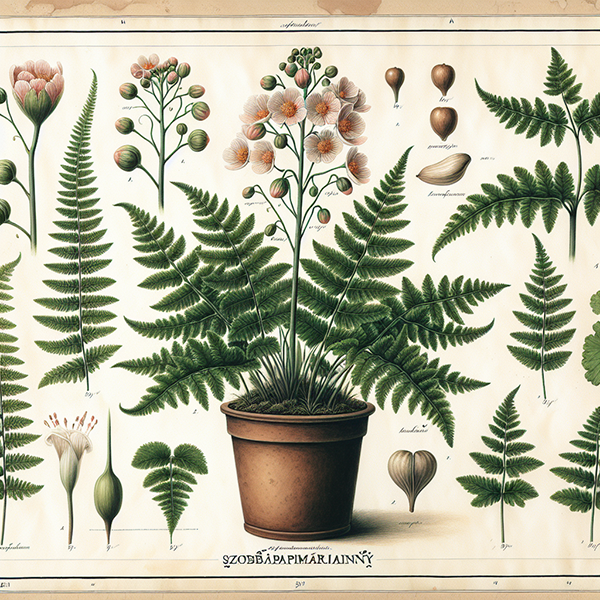
The bird’s nest fern (Asplenium nidus) is a tropical evergreen fern known for its rosette of large, wavy-edged, bright green leaves resembling a bird’s nest. It thrives in medium light and moderate humidity.
Basic info
Bird’s nest fern (Asplenium nidus) is a tropical perennial fern belonging to the Aspleniaceae family. It is characterized by a rosette of large, glossy, wavy-edged fronds that emerge from a central crown, resembling a bird’s nest. The plant typically grows between 40 and 90 cm in height and width and remains evergreen throughout the year.
Native to tropical Asia and Australia, it naturally grows as an epiphyte on tree trunks or rocks in shaded, humid rainforest environments. It does not produce flowers or fruits but reproduces via spores.
Popular as a houseplant, the bird’s nest fern is appreciated for its decorative foliage and relatively easy care. It requires high humidity, moderate watering, and well-draining, nutrient-rich soil. It is sensitive to frost and should be kept in frost-free conditions during winter.
Size & appearance
Environment needs
Care
For optimal care, place the bird’s nest fern in bright, indirect light or partial shade. Keep the soil consistently moist but avoid waterlogging to prevent root rot. Maintain high humidity by misting the leaves regularly or using a humidifier.
Feed with a balanced liquid fertilizer every two weeks during the growing season. Remove dead or damaged fronds as needed. Reduce watering in winter and keep the plant in a frost-free, bright location.
Propagation
Propagation is mainly by spores collected from the underside of mature fronds. Spores should be sown in sterile medium under warm, humid conditions, which requires patience due to slow germination and growth. Leaf cuttings are less common and more difficult.
Diseases & pests
Generally resistant, but overwatering can cause root rot. Spider mites and aphids may infest the leaves; control with regular spraying or natural insecticides. Proper humidity and ventilation help prevent diseases.
Ehhez a növényhez még nincs betegség/kártevő információ rögzítve.
Safety
Non-toxic to humans, dogs, and cats, making it a safe choice for households with pets and children. It does not cause allergies.
Ecology
In its native habitat, bird’s nest fern plays a role in rainforest ecosystems by growing epiphytically and contributing to biodiversity. It is not invasive and improves indoor air quality when grown as a houseplant.
Usage
Primarily grown as an ornamental plant for homes, offices, and shaded garden areas. Its unique foliage makes it a popular choice for indoor decoration. It is not edible or used medicinally.