Glossy Abelia
Abelia × grandiflora
Más nevek: Abelia, Abelia grandiflora
Abelia × grandiflora is a medium-sized, semi-evergreen ornamental shrub that blooms from June to October with white to pinkish flowers attracting bees and butterflies.
Basic info
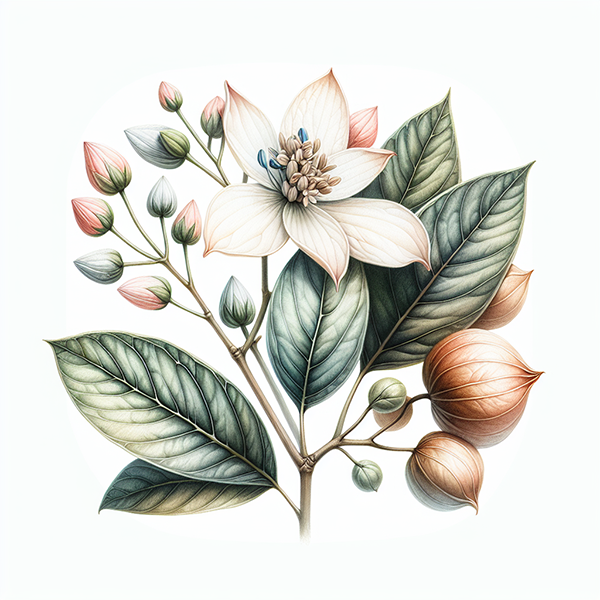
Abelia × grandiflora is a loosely branched, bushy shrub growing 100-250 cm tall and 150-300 cm wide. Its arching branches bear semi-evergreen dark green leaves that may turn slightly reddish in autumn. The fragrant flowers are white with pink hues and bloom profusely through summer and autumn. This species tolerates drought and urban conditions well but dislikes waterlogged soils. It thrives best in well-drained, neutral to slightly acidic soils.
The plant generally requires no special winter protection, though young specimens benefit from mulching. Pruning is moderately needed and best done after flowering or in early spring. Propagation is commonly by summer cuttings or division. It is non-toxic to humans and pets and is attractive to bees and butterflies.
Size & appearance
Environment needs
Care
Glossy Abelia requires regular watering during dry periods but avoid waterlogging. Prune after flowering or in early spring to maintain shape and encourage growth. Moderate fertilization in spring and early summer is recommended. Protect young plants in winter with mulch or covers.
Propagation
Propagation is mainly by summer cuttings or division. Cuttings should be planted in well-draining soil and kept moderately moist until rooted.
Diseases & pests
Generally resistant, but excessive moisture can cause leaf spots and fungal diseases. Proper ventilation and pruning help prevent issues.
Ehhez a növényhez még nincs betegség/kártevő információ rögzítve.
Safety
Non-toxic to humans and pets; allergic reactions are rare.
Ecology
Its flowers attract bees and butterflies, supporting local pollinator populations.
Usage
Used as an ornamental shrub, hedge, and in parks. Suitable for urban gardens due to its tolerance to pollution and drought.