Wandering Dude
Tradescantia zebrina
Más nevek: Wandering Jew, Inch Plant
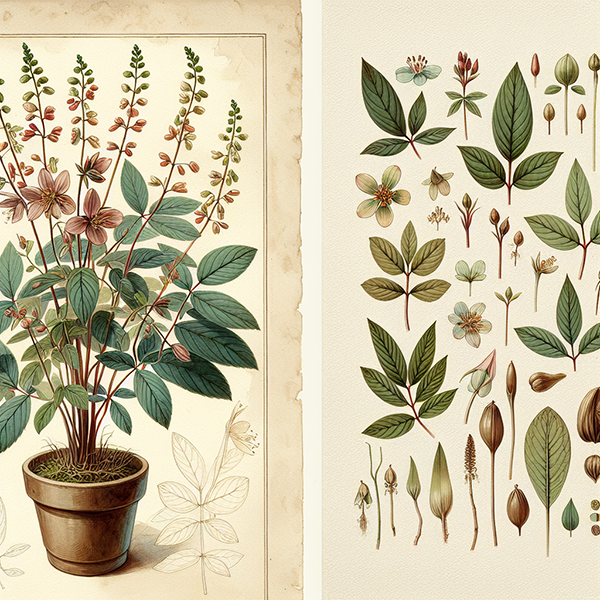
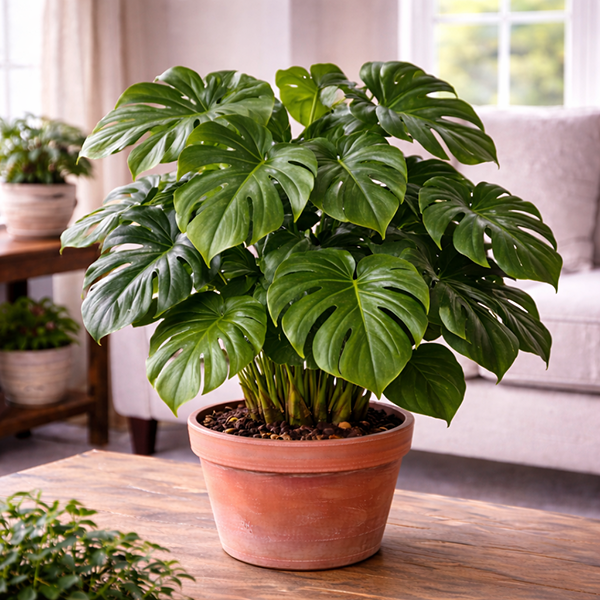
Tradescantia zebrina, commonly known as Wandering Dude, is a fast-growing trailing perennial plant with distinctive striped leaves. It thrives in partial shade and is popular as a houseplant or ground cover.
Basic info
Tradescantia zebrina belongs to the Commelinaceae family and originates from Central America. It features long trailing stems that can reach up to 100 cm, with striking striped leaves in green, silver, and purple hues. The small purple flowers bloom from May to September, attracting pollinators.
This semi-evergreen plant is frost-sensitive and is often grown indoors in cooler climates. It adapts well to various soils but prefers well-drained, loose substrates and partial shade. Its rapid growth allows it to spread quickly, sometimes becoming invasive.
Care is straightforward, requiring moderate watering and occasional pruning to maintain a compact shape. Propagation is easy through stem cuttings, making it a popular choice for balconies and hanging baskets.
Size & appearance
Environment needs
Care
Wandering Dude prefers bright, indirect light or partial shade. Avoid direct harsh sunlight to prevent leaf burn. Keep the soil moderately moist but avoid waterlogging to prevent root rot. Fertilize biweekly during the growing season with a balanced fertilizer. Reduce watering in winter and keep in a frost-free, bright location.
Propagation
Propagation is simple via stem cuttings. Cut 10-15 cm long stems, remove lower leaves, and place them in water or moist soil until roots develop. Warm and bright conditions speed up rooting, usually within a few weeks.
Diseases & pests
Overwatering can cause root rot. Pests such as aphids and spider mites may infest the plant, especially in dry, warm environments. Regular inspection and proper watering help prevent issues.
Ehhez a növényhez még nincs betegség/kártevő információ rögzítve.
Safety
Non-toxic to humans, dogs, and cats. Does not cause allergic reactions, making it safe for households with pets.
Ecology
The flowers attract bees and other pollinators, supporting local ecosystems. However, it can be invasive outside its native range, so monitoring spread is advised.
Usage
Primarily used as an ornamental plant indoors and outdoors. Its fast growth and attractive foliage make it ideal for hanging baskets, ground cover, and balcony decoration. Not edible and mainly valued for aesthetics.