Boxwood
Buxus sempervirens
Más nevek: common box, box
Boxwood is an evergreen shrub known for its dense, compact growth.
Basic info
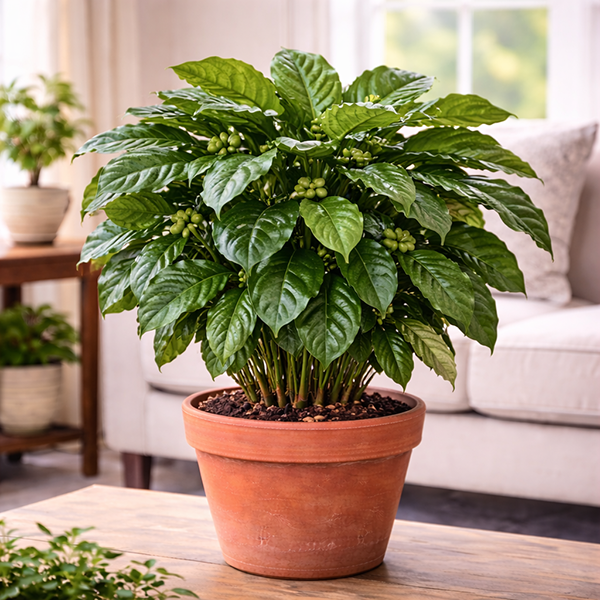
Boxwood (Buxus sempervirens) is a popular ornamental plant often used for hedges and garden decoration. It can grow up to 150 cm tall and has dark green leaves that provide year-round decoration.
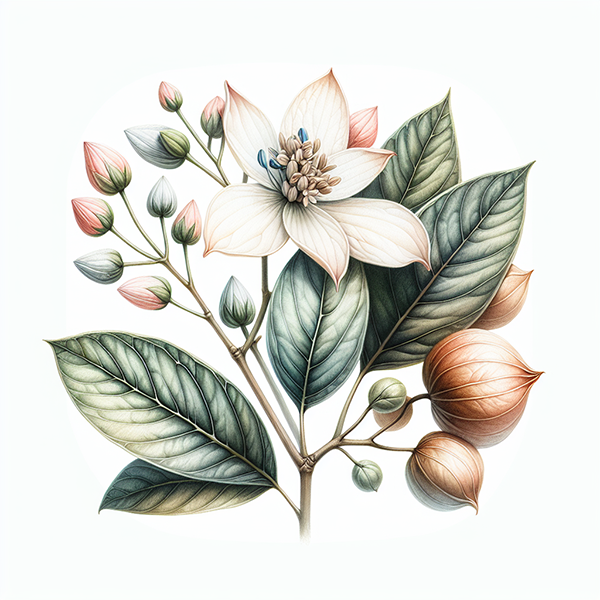
The flowers of boxwood are small and yellow-green, blooming between April and May. The plant produces small, triangular green berries. Boxwood tolerates pruning well, making it an ideal choice for hedges.
Boxwood prefers partial shade and is well-suited for urban environments. It is particular about soil, preferring well-drained, humus-rich soil. The plant is frost-resistant, but it is advisable to mulch its roots in winter to protect them from frost.
Size & appearance
Environment needs
Care
Care for boxwood is relatively simple. Keep the soil slightly moist but avoid waterlogging. Fertilize in spring to support growth. Pruning should be done in spring to shape the plant and remove dead branches.
Propagation
Boxwood can be easily propagated by cuttings or seeds. Cuttings should be taken in spring, and well-drained soil should be used for rooting.
Diseases & pests
Boxwood can be susceptible to fungal diseases such as boxwood blight. Watch for leaf discoloration and pest infestations, and apply appropriate pesticides if necessary.
Ehhez a növényhez még nincs betegség/kártevő információ rögzítve.
Safety
All parts of boxwood are toxic, so handle with care, especially around children and pets.
Ecology
Boxwood plays an important role in garden ecology, providing shelter for birds and other small animals. Its flowers attract bees and butterflies, contributing to pollination processes.
Usage
Boxwood is primarily used as an ornamental plant in gardens and parks. It is ideal for hedges as it tolerates pruning and can be shaped.