Chinese hibiscus
Hibiscus rosa-sinensis
Más nevek: Hibiscus rosa-sinensis, Tropical hibiscus
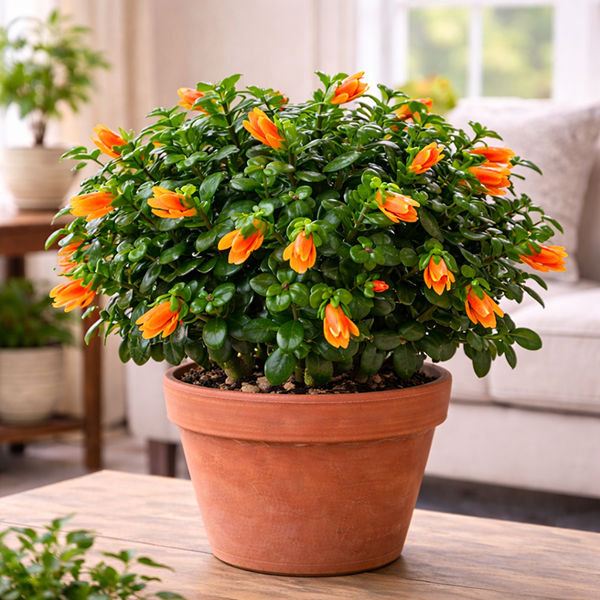
The Chinese hibiscus (Hibiscus rosa-sinensis) is a tropical evergreen shrub known for its large, colorful flowers. It is widely cultivated as an ornamental houseplant and balcony plant.
Basic info
The Chinese hibiscus is a tropical evergreen shrub that can reach up to 3 meters in height under optimal conditions. It features glossy dark green leaves and large, showy flowers that come in a variety of colors including red, pink, yellow, white, orange, and purple. The flowering period typically extends from late spring through autumn, providing long-lasting ornamental value.
This plant is sensitive to cold and should be kept in frost-free, bright locations during winter. It thrives in full sun but benefits from some shade during the hottest part of the day in summer. Soil should be kept evenly moist but well-drained to prevent root rot.
Propagation is commonly done by semi-hardwood cuttings taken in spring or early summer. With proper care, the Chinese hibiscus can be a vibrant and long-lasting addition to indoor and balcony gardens.
Size & appearance
Environment needs
Care
Provide the Chinese hibiscus with a bright, sunny location, avoiding intense midday sun in summer. Keep the soil evenly moist but avoid waterlogging. During winter, reduce watering and maintain frost-free conditions. Feed with a balanced fertilizer every two weeks during the growing season. Prune regularly to encourage bushier growth and more flowers.
Propagation
Propagation is most successful through semi-hardwood cuttings taken in spring or early summer. Cuttings should be kept in warm, humid conditions and treated with rooting hormone to encourage root development. Seed propagation is less common and more challenging.
Diseases & pests
Common pests include aphids, spider mites, and thrips. Control can be achieved with insecticidal soap or natural predators. Overwatering can cause root rot, so good drainage is essential.
Ehhez a növényhez még nincs betegség/kártevő információ rögzítve.
Safety
The Chinese hibiscus is non-toxic to humans, dogs, and cats, making it safe for households with children and pets. Allergic reactions are rare.
Ecology
The plant attracts pollinators such as bees and butterflies, enhancing indoor biodiversity. It is not invasive and does not spread aggressively in non-native environments.
Usage
Primarily grown as an ornamental plant, the Chinese hibiscus adds vibrant color to indoor spaces, balconies, and gardens in warm climates. Its flowers are decorative but not edible.