Jerusalem cherry
Solanum pseudocapsicum
Más nevek: mock tomato, winter cherry
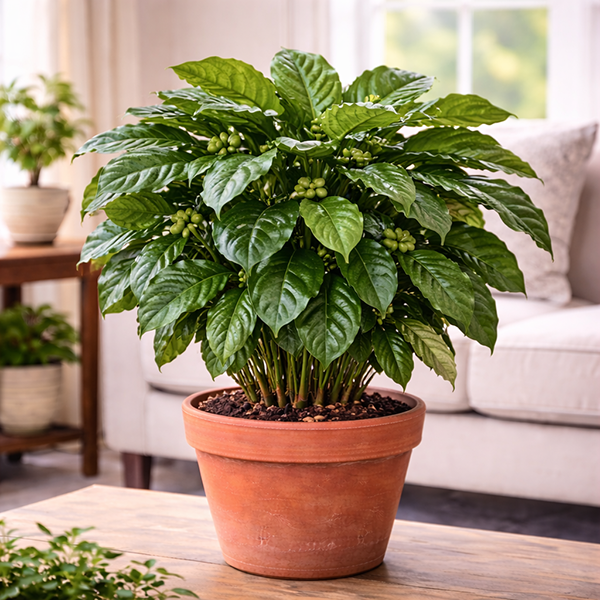
Jerusalem cherry (Solanum pseudocapsicum) is an evergreen shrub known for its bright red berries. It is commonly grown as a houseplant or patio decoration due to its ornamental value.
Basic info
Originating from South America, the Jerusalem cherry is an evergreen shrub growing 30-90 cm tall. It has bushy growth with dark green, glossy leaves. Small white flowers bloom in summer, followed by bright red berries that decorate the plant in autumn and winter. The berries are toxic, so caution is advised in households with children.
The plant prefers bright, sunny locations but can tolerate partial shade. It requires moderate watering and well-drained, moderately fertile soil with slightly acidic to neutral pH. It is frost-sensitive and should be kept in frost-free conditions during winter. Pruning needs are low; light trimming after flowering helps maintain shape and bushiness.
Propagation is by seed or cuttings, with cuttings providing faster results. The plant attracts bees, aiding pollination. It is popular as both an indoor and outdoor ornamental, especially during the Christmas season.
Size & appearance
Environment needs
Care
Jerusalem cherry requires moderate care. It prefers a bright, sunny spot but should be protected from intense midday sun. Soil should be well-draining and kept moderately moist without waterlogging. Water regularly in summer and reduce watering in winter. Fertilize biweekly with a balanced liquid fertilizer during spring and summer. Prune lightly after flowering to maintain a compact shape.
Propagation
Propagation is done by seeds sown in spring in a warm environment or by semi-hardwood cuttings taken in late summer or early autumn. Cuttings root quickly and reliably, making this the preferred method.
Diseases & pests
Jerusalem cherry is rarely affected by diseases but can suffer from leaf spots, powdery mildew, or spider mites. Proper ventilation and avoiding overwatering help prevent these issues. Pests like aphids and spider mites may appear and should be treated if necessary.
Ehhez a növényhez még nincs betegség/kártevő információ rögzítve.
Safety
All parts of the Jerusalem cherry are toxic, especially the berries. Consumption poses risks to humans and pets, so keep it out of reach of children and animals.
Ecology
The plant attracts bees and other pollinators, supporting local ecosystems. It is non-invasive and safe to grow in gardens and indoors.
Usage
Primarily grown as an ornamental plant, Jerusalem cherry is popular during the Christmas season for its bright red berries. It is suitable for indoor and patio cultivation but is not edible due to its toxicity.